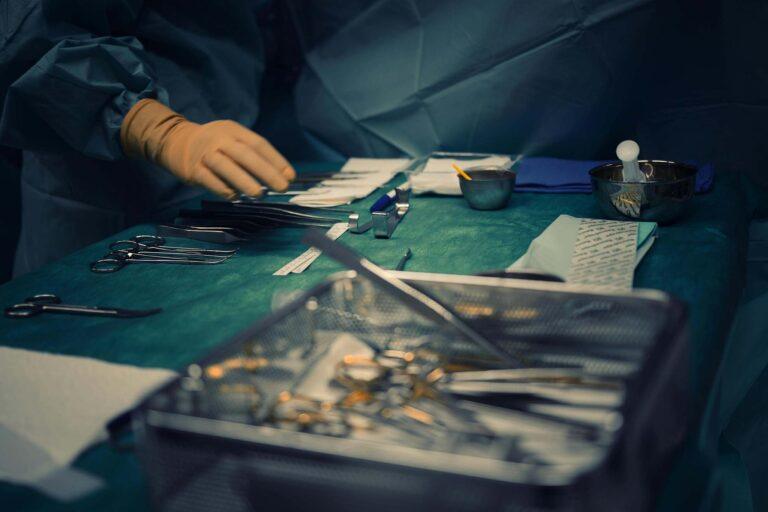


For MedTech companies, clinical adoption is the holy grail, and surgeons are often the gatekeepers. But getting surgeons to adopt new technology isn’t just about showcasing innovation or performance stats. It’s about understanding the decision-making process inside the OR and aligning with what truly matters to surgical teams.
If you want to earn a place in the surgeon’s hands (and hospital budget), you need more than a breakthrough device, you need a strategy grounded in credibility, education, and clinical fit.
Here’s how surgeons evaluate new medical devices, and what your sales and product teams need to know to win them over.
1. Clinical Evidence Comes First, Always
Surgeons are data-driven by nature. No matter how polished your pitch, they’re looking for proof. That means:
- Published, peer-reviewed clinical studies
- Head-to-head comparisons with the standard of care
- Outcomes data from respected peers or institutions
- Post-market surveillance and long-term safety tracking
Pro tip: Share data that mirrors their patient population or surgical focus. The closer it feels to their world, the more credible your case.
2. Surgical Workflow Must Improve, Not Disrupt
A device that complicates the surgeon’s job won’t survive, even if it technically “performs better.” Surgeons evaluate new tools based on how they impact:
- Operative time
- Precision and ease of use
- Staff coordination and training burden
- Sterile field setup and turnover
Your product must enhance efficiency and outcomes, not introduce unnecessary friction.
3. Peer Validation Carries Major Weight
Surgeons trust their colleagues more than your sales deck. Key Opinion Leaders (KOLs), early adopters, and respected peers can make or break your chances at broader adoption.
That’s why field engagement strategies should include:
- Surgeon-led product trials
- Case presentations at conferences
- Peer-to-peer conversations and mentoring
- Third-party testimonials and advisory boards
Build a network of credible champions before expecting market traction.
4. Training and Confidence Are Deal Breakers
Even the best device won’t be adopted if the surgeon doesn’t feel confident using it. Your onboarding and support strategy must include:
- Hands-on training and cadaver labs
- Simulation tools and technique videos
- Case proctoring or initial case support
- Access to real-time field reps or clinical specialists
Surgeons must feel like they’re set up for success, not set up to fail.
5. Patient Outcomes Still Drive Everything
Don’t just say “better”, prove it. Surgeons need to know your device offers real, measurable value for patients, such as:
- Faster recovery
- Lower complication or infection rates
- Better long-term function
- Reduced readmissions or revisions
Remember: surgeons are advocates for their patients first. If your device doesn’t clearly serve that mission, it won’t make the cut.
6. Economic and Institutional Fit Matters
Even if a surgeon is convinced, they still have to justify adoption to the broader system. That includes:
- Procurement teams
- Value analysis committees
- Hospital administrators
Make sure you provide support for:
- Cost-effectiveness and ROI
- Reimbursement and coding guidance
- Competitive positioning vs. existing devices
- Alignment with hospital and payer goals (e.g., shorter length of stay, fewer complications)
Help the surgeon be your internal advocate, not your only advocate.
Final Thoughts
Understanding how surgeons evaluate new medical devices is the first step toward meaningful adoption. For manufacturers and sales teams, it’s not just about a great product, it’s about building education, trust, support, and strategic alignment into your go-to-market plan.
When you give surgeons what they truly value, clinical confidence, operational fit, and peer validation, you move from being a vendor to being a partner in care. At Fair Winds, we help MedTech innovators navigate this journey from product readiness to clinical adoption. Want to get your device into the right hands, the right way? Let’s talk.